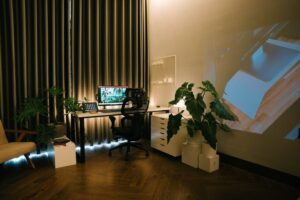

Creating a home office that feels cozy and boosts your productivity can make a significant difference in your daily work routine. Whether you’re working from home full-time or need a dedicated spot for occasional tasks, a well-designed workspace helps to maintain focus and comfort. Here are practical tips to help you build a home office environment that inspires productivity while providing a warm and inviting atmosphere.
1. Choose the Right Location
Find a Quiet Corner
Selecting a quiet spot in your home minimizes distractions. Ideally, this space should be away from noisy areas like the kitchen or living room. If possible, choose a room with a door so you can close off work-related noises from the rest of the household.
Maximize Natural Light
Natural light uplifts mood and energy levels. Set up your desk near a window to take advantage of sunlight during the day. If natural light is limited, use bright, adjustable LED lighting to mimic daylight.
2. Invest in Comfortable and Functional Furniture
Ergonomic Chair
An ergonomic chair supports your back and promotes good posture. Avoid using dining chairs or sofas that can cause discomfort over time.
Spacious Desk
Your desk should have enough surface area to accommodate your computer, notebooks, and any other tools you regularly use. Consider desks with built-in storage to keep things organized.
Adjustable Desk Options
If possible, try a sitting and standing desk. Alternating between sitting and standing encourages movement and reduces fatigue during long work sessions.
3. Personalize Your Space
Use Warm Colors
Colors influence mood, so choose warm, soothing tones like soft beige, light blue, or pastel green to make the office inviting without causing distraction.
Add Personal Touches
Incorporate items that make you happy, such as photos, a favorite mug, or artwork. Personal touches can boost your feelings of comfort and ownership of the space.
Bring in Plants
Indoor plants improve air quality and add life to your workspace. Low-maintenance plants like succulents or snake plants are great choices.
4. Organize Efficiently
Declutter Regularly
A clean workspace helps clear your mind. Dedicate time weekly to removing unnecessary items and tidying up.
Use Storage Solutions
Shelving units, filing cabinets, and desk organizers keep important documents and supplies within reach but out of the way. Labeling drawers and boxes can save time searching for items.
Digitize When Possible
Reducing paper clutter by scanning important documents or using cloud storage can simplify organization and improve workspace neatness.
5. Minimize Distractions
Manage Noise
If external noise is a problem, consider noise-canceling headphones or a white noise machine. Soundproofing options like door seals or heavy curtains also help.
Limit Screen Interruptions
Turn off non-work-related notifications on your computer and phone during focus times. Use apps or browser extensions that block distracting websites.
6. Optimize Technology Setup
Reliable Internet Connection
A strong internet connection is essential for smooth video calls and quick research. Position your router close to your office or use a wired connection if possible.
Keep Cables Tidy
Use cable organizers or clips to prevent cords from tangling or cluttering your desk. A clean setup looks more organized and reduces frustration.
Monitor Placement
Position monitors at eye level to avoid neck strain. Dual monitors can enhance productivity by making it easier to multitask.
7. Plan Your Lighting
Layered Lighting
Combine ambient lighting (ceiling lights), task lighting (desk lamps), and accent lighting (wall sconces or decorative lights) to create a balanced environment.
Adjustable Lamps
Desk lamps with adjustable brightness and direction help reduce eye strain during different times of the day.
8. Incorporate Break Spaces
Comfortable Seating
If space allows, add a cozy chair or small sofa where you can take breaks away from your desk.
Refreshment Station
Keep a water pitcher, coffee maker, or tea supplies nearby to stay hydrated and energized without lengthy interruptions.
9. Set a Routine and Boundaries
Define Work Hours
Set clear work hours and respect them to maintain a healthy work-life balance. Communicate your schedule to family or roommates to minimize interruptions.
Use Visual Cues
A clean desk at the start and end of each day can signal transition times. Closing doors or hanging a “Do Not Disturb” sign can also help mark work periods.
—
Creating a cozy and productive home office is achievable with thoughtful planning and small changes. With the right location, furniture, organization strategies, and personalization, your workspace can become a place where you not only work effectively but feel comfortable and motivated every day.