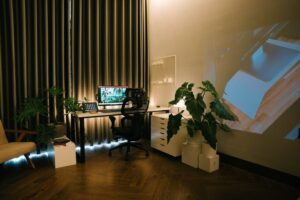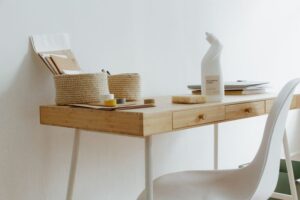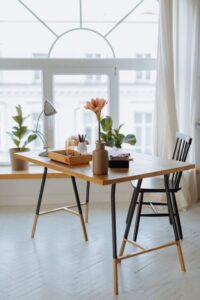
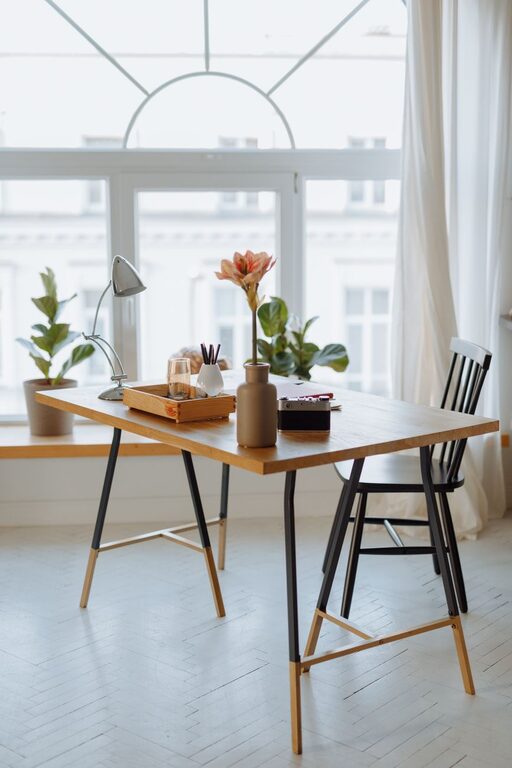
Creating a home office that feels both cozy and functional is essential for anyone working or studying from home. A well-designed workspace can improve focus, reduce stress, and make your workday more enjoyable. Whether you have a dedicated room or just a small corner, there are simple ways to maximize comfort and efficiency. Here are some practical tips to help you set up your ideal home office.
1. Choose the Right Location
Consider Natural Light
Natural light has a positive effect on mood and productivity. If possible, set up your desk near a window. This will help you stay alert during the day and reduce eye strain. If natural light isn’t an option, invest in good quality artificial lighting that mimics daylight.
Minimize Distractions
Pick a quiet area with fewer interruptions. If space is limited, use room dividers or screens to create a sense of separation. This helps your brain switch into “work mode” even when you’re at home.
2. Invest in Comfortable Furniture
Choose an Ergonomic Chair
Since you’ll be spending hours seated, an ergonomic chair is a must. Look for one with good lumbar support, adjustable height, and a comfortable seat. This prevents back pain and improves posture.
Pick the Right Desk
Your desk should fit your body size and work needs. If you use a computer, ensure there’s enough space for your monitor, keyboard, and mouse. Standing desks or adjustable desks are a great option if you want to alternate between sitting and standing.
3. Organize Your Workspace Efficiently
Declutter Regularly
A tidy desk helps keep your mind clear. Remove unnecessary items and keep only the essentials on your workspace.
Use Storage Solutions
Add shelves, drawers, or containers to organize documents, office supplies, and gadgets. Labeling storage can save time and reduce the stress of searching for things.
4. Add Personal Touches
Choose Soothing Colors
Colors impact mood and concentration. Soft shades like blues, greens, or neutrals create a calm environment. Consider painting an accent wall to add warmth without overwhelming the space.
Display Inspiring Items
Photos, artwork, plants, or motivational quotes can make your office feel inviting. Just be careful not to overcrowd your space with decorations.
5. Prioritize Lighting
Layer Your Lighting
Use a combination of ambient, task, and accent lighting. A ceiling light provides overall illumination, while a desk lamp focuses on your work area. Accent lights or string lights can add cozy warmth.
Avoid Glare
Position your monitor and lights to avoid glare, which can cause discomfort and headaches. Adjustable blinds or curtains help control sunlight throughout the day.
6. Manage Cables and Technology
Keep Cords Organized
Messy cords can make a space look cluttered and pose safety risks. Use cable organizers, clips, or sleeves to bundle cords neatly.
Choose Reliable Devices
Invest in a good quality computer, printer, and other devices you need daily. Having reliable technology helps prevent work interruptions.
7. Create a Comfortable Climate
Control Temperature
Make sure your home office stays at a comfortable temperature. Use a fan, heater, or air purifier as needed to maintain good air quality.
Add Textiles for Warmth
A soft rug, cushions, or blankets add warmth and comfort, making the space feel inviting on cooler days.
8. Incorporate Greenery
Plants improve air quality and create a calming atmosphere. Choose easy-to-care-for plants like pothos, snake plants, or succulents. Place them on your desk or shelves to bring a touch of nature indoors.
9. Establish Boundaries
Set Work Hours
Working from home can blur the lines between professional and personal time. Establish clear work hours and communicate them to those you live with.
Define Your Workspace
If possible, use your home office only for work. This mental distinction helps you focus during work time and unwind afterward.
10. Keep Your Workspace Flexible
Use Modular Furniture
Furniture that can be adjusted or moved allows you to change your workspace setup according to your needs. This flexibility keeps your space fresh and functional.
Adapt to Your Routine
Experiment with different seating positions, lighting setups, or desk layouts to find what works best for you.
—
Designing a cozy and functional home office doesn’t need to be complicated. By focusing on the right location, comfortable furniture, smart organization, and personal touches, you can create a space that supports your work and well-being. Remember that the best workspace reflects your habits, style, and needs, so feel free to customize these tips for your unique situation.