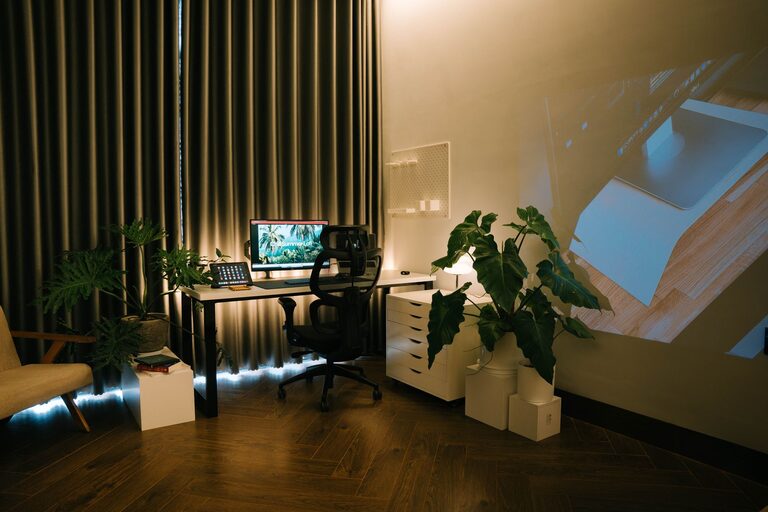
Creating a home office that strikes the perfect balance between comfort and productivity can greatly improve your work-from-home experience. Whether you work remotely full-time or occasionally tackle projects at home, a thoughtfully designed workspace can make a big difference in how focused and motivated you feel. Here are some practical tips to help you create a cozy and productive home office space.
1. Choose the Right Location
Find a Quiet Spot
Start by selecting a location where you can work with minimal distractions. A quiet corner, spare room, or even a section of your living room can work well as long as it’s away from the noisiest parts of your home.
Consider Natural Light
Maximize natural light by placing your desk near a window if possible. Natural light can help reduce eye strain and boost mood, making your workday more enjoyable.
2. Invest in Comfortable and Functional Furniture
Select an Ergonomic Chair
An ergonomic chair supports your posture and helps prevent back pain during long work hours. Look for chairs with adjustable height, lumbar support, and comfortable cushioning.
Choose a Suitable Desk
Your desk should be the right height for you, allowing your arms to rest comfortably while typing or writing. Standing desks or adjustable sit-stand desks are also great options to vary your posture throughout the day.
3. Organize and Declutter Your Space
Use Storage Solutions
Keep your workspace neat and tidy with shelves, drawers, or storage bins. Organize documents, office supplies, and electronics neatly to avoid clutter.
Limit Distractions
Remove unnecessary items and keep your desk clear to help maintain focus. A clean environment tends to reduce stress and improve productivity.
4. Add Personal Touches for Comfort
Decorate Thoughtfully
Incorporate items like plants, artwork, or photos that inspire you but don’t overwhelm your space. A few personal touches can make your office feel welcoming and cozy.
Soft Textiles for Warmth
Add a comfortable rug, cozy blanket, or cushioned chair pad to create a warm and inviting atmosphere, especially if your office has hard floors or stark furniture.
5. Optimize Lighting Conditions
Combine Natural and Artificial Lighting
Use a combination of natural light and soft artificial light to reduce eye strain. Desk lamps with adjustable brightness are handy for late-night work sessions.
Avoid Glare
Position screens and lamps to avoid glare and reflections, which can cause headaches and decrease productivity.
6. Improve Air Quality and Temperature
Ensure Good Ventilation
Fresh air helps keep you alert. If your workspace doesn’t have a window, consider using an air purifier or houseplants known for improving indoor air quality.
Maintain a Comfortable Temperature
Adjust heating or cooling so the space is neither too hot nor too cold, helping you stay comfortable throughout your workday.
7. Set Up Efficient Technology and Connectivity
Reliable Internet Connection
A strong internet connection is essential for video calls, sending files, and accessing online resources without interruption.
Essential Equipment
Use quality headphones, webcams, and keyboards to enhance your work efficiency. Keep chargers and cables organized to avoid a tangled mess.
8. Establish Boundaries and Routines
Define Work Hours
Set specific work hours to separate professional tasks from personal time, maintaining a healthy work-life balance.
Create a Morning Routine
Start your day by prepping your workspace, reviewing your tasks, or doing a short warm-up to get into the right mindset for work.
—
Creating a home office that supports both comfort and productivity involves thoughtful planning and regular adjustments. By focusing on your environment, ergonomics, organization, and personal comfort, you can design a space that encourages focus and well-being, making your work-from-home days more enjoyable and effective.